Ecommerce

Integrating Shopify with Your ERP: Common Pitfalls to Avoid

by Phil Preston in Ecommerce

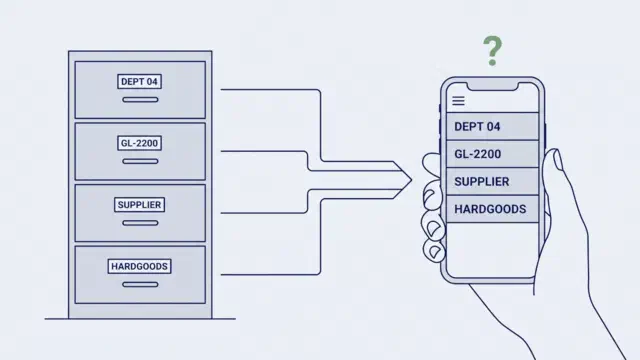
Connecting Shopify to an ERP is rarely defeated by API limits. It is defeated by undefined data ownership, mismatched sync models and edge cases that connectors skip. This post walks through the failure modes that show up in production Shopify-ERP integrations, why they happen, and the practices that separate integrations that hold under peak load from those that break. Written for Australian retailers and the technical teams evaluating connectors, iPaaS and custom builds.

Read More

Do You Really Need a PIM? Signs It’s Time to Integrate One

by Phil Preston in Ecommerce

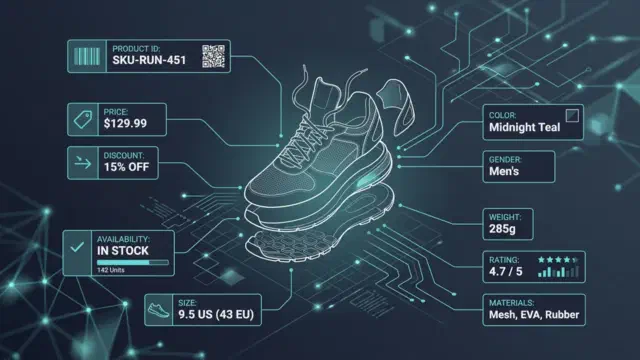
A PIM is the right investment for some retailers and the wrong one for others. This post makes the case against first, then walks through the diagnostic signals that indicate the threshold has been crossed, covering platform selection, integration complexity, partner evaluation, and a pre-decision checklist for teams assessing readiness.

Read More

Best Practices for Shopify to AP21 Workflows

by Phil Preston in Ecommerce

Apparel21 is the operational backbone for apparel retailers; Shopify is the sales conversion layer. Neither was designed with the other in mind, and the integration between them is where most of the operational pain lives. A field guide to the architectural decisions, operational gotchas and best practices that separate production-grade AP21 Shopify integrations from brittle ones.

Read More

Advanced Ecommerce Conversion Rate Optimisation for Retail

by Phil Preston in Ecommerce

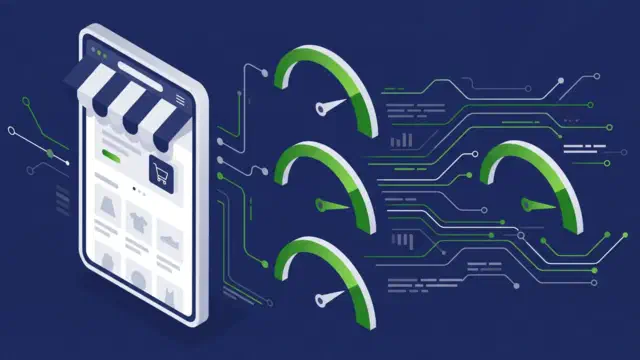
Backend ecommerce integration quality has a measurable effect on ecommerce conversion rates. Learn which integration points drive the biggest gains. From inventory accuracy and payment orchestration to personalisation and how to evaluate the right approach for your commerce stack.

Read More

Middleware: Custom Home-Grown vs Off-the-Shelf

by Phil Preston in Ecommerce

Custom vs off-the-shelf middleware is one of the highest-stakes decisions in modern retail architecture. This guide breaks down the real trade-offs—cost, speed, scalability, and risk—and shows how to choose the right approach for complex commerce stacks, with practical frameworks and real-world examples to guide your decision.

Read More

Headless Commerce and ERP Integration: What CTOs Need to Know

by Phil Preston in Ecommerce

This article explores why headless commerce success depends on robust ERP integration, where the real complexity lies beneath the frontend. Aimed at CTOs and ecommerce leaders, it outlines the critical role of backend data integration, workflow stability, and enterprise resource planning systems in delivering scalable, omnichannel retail. It highlights the risks of poor ecommerce integration, compares architecture patterns (point-to-point vs middleware), and explains when to use an integration agency. Real-world examples and planning guidance help retailers avoid the “headless tax” and build a foundation for long-term digital transformation.

Read More

Custom eCommerce Integrations that Actually Improve Conversion Rates

by Phil Preston in Ecommerce

Custom ecommerce integration can influence how reliably your commerce stack performs — and that reliability often affects the ecommerce conversion rate customers experience. This article explores how well-designed system integrations between platforms such as ERP, OMS, inventory, and shipping infrastructure can reduce operational friction that disrupts purchasing journeys. It examines both the benefits and risks of custom integrations, practical considerations for retail leaders, and where partnering with a specialist integration agency can help ensure ecommerce systems operate smoothly at scale.

Read More