Headless Commerce and ERP Integration: What CTOs Need to Know
Phil Preston 10 min read

In the push toward composable, omnichannel experiences, many digital leaders are embracing headless commerce. Among other benefits, a headless architecture unlocks flexibility, design freedom, and the ability to iterate quickly across channels.
But beneath every slick, high-performing headless frontend lies an inconvenient truth: ecommerce success still depends on how well your ERP integrates with everything else.
For CTOs, Heads of Digital, and ecommerce managers at mid to large retail brands, this is the real conversation; the one that determines whether headless architecture enables long-term operational excellence, or simply becomes another shiny layer sitting on top of inefficiently connected systems.
Beyond the Frontend: The Operational Backbone
Headless commerce decouples the frontend experience from the back-end logic, allowing brands to deliver content and experiences anywhere. But that flexibility is only valuable if the systems responsible for product data, inventory, pricing, orders, fulfilment, returns and customer records are tightly connected and up to date.
That means the ERP integration becomes a key component of the performance of the entire site.
When ERP acts as the source of operational truth: it holds your SKUs, inventory counts, tax logic, fulfilment processes, pricing tiers, customer accounts and financials. If a headless stack doesn’t communicate seamlessly with the ERP, or worse, relies on patchy point-to-point workarounds to bridge the gap, then your flexibility comes at a hidden cost: data inconsistency, operational errors, and a growing pile of manual workarounds.
In other words, the customer experience of headless is only as good as the ERP integration behind it. That integration is the bridge between systems; it’s the invisible layer of data integration that underpins a brand’s ability to execute on ecommerce promises.
What’s Really at Stake in ERP + Ecommerce Integration
Let’s start with what’s on the line:
- Inventory accuracy: If stock levels aren’t synced in near real time, this can lead to oversell or undersell situations. In either case, it results in reduced revenues and customer trust.
- Order flow: If orders don’t reliably land in the ERP or OMS, fulfilment grinds to a halt. If returns don’t flow back correctly, the result can be hours spent reconciling financials.
- Customer confidence: Real-time pricing, loyalty balances, and fulfilment options require integration between the systems that govern those rules. Otherwise, consumer trust breaks.
- Agility: When integration is fragile, every change (new product, new promo, new location, new channel) risks breaking something. Strong integration means faster deployment, better uptime, and less manual work.
Whether using Shopify Plus, BigCommerce, Magento, or custom headless frontends, it’s the ERP that determines whether a site remains accurate, fast, and operationally sound. This is where enterprise resource planning platforms must integrate seamlessly with the chosen ecommerce platforms, creating a scalable foundation for long-term digital transformation.
Why Point-to-Point Falls Short
In early-stage ecommerce, point-to-point integration (e.g. eComm > ERP or ERP > WMS) can seem like a simple solution, but as your stack grows the cost and fragility of these connections multiply.
Each system must be aware of the others. Changes in one system (field name, API version, record structure) can break the others. Eventually, this can mean maintaining dozens of brittle, undocumented connections.
This is why modern architectures favour middleware, platform-as-a-service (PaaS), or iPaaS platforms as integration hubs. By centralising how systems communicate, you reduce the web of dependencies and gain monitoring, mapping, and orchestration control. The ERP connects once to the hub, and the hub distributes that data where it needs to go.
Real-Time vs. Batch
Not all data needs to be real-time, but some absolutely does.
- Real-time required: inventory availability, pricing changes, order confirmation
- Near real-time: product updates, customer profile updates
- Batch acceptable: full catalogue exports, financial rollups, analytics
Getting this balance wrong can mean over-engineering for latency that doesn’t matter, or under-delivering on experiences where speed is everything. An integration strategy should clearly define these data contracts and bake them into the architecture.
Integration Planning: The Non-Negotiables
Too many projects focus on the frontend experience and leave integration as a back-end detail. CTOs should lead the integration conversation from day one, with questions like:
- Where does truth live for product, inventory, and price?
- How will promotions be calculated and will ERP need to reflect those discounts?
- What happens when a customer buys online and returns in-store?
- How many warehouses or stores fulfil orders, and how does stock allocation work?
- Does the ERP support real-time APIs, or are we working with batch exports?
- What SLAs do we need for order latency, refund timing, and inventory updates?
These questions are often where ecommerce performance lives or dies. And they sit at the heart of workflow decisions that govern how smoothly operations run.
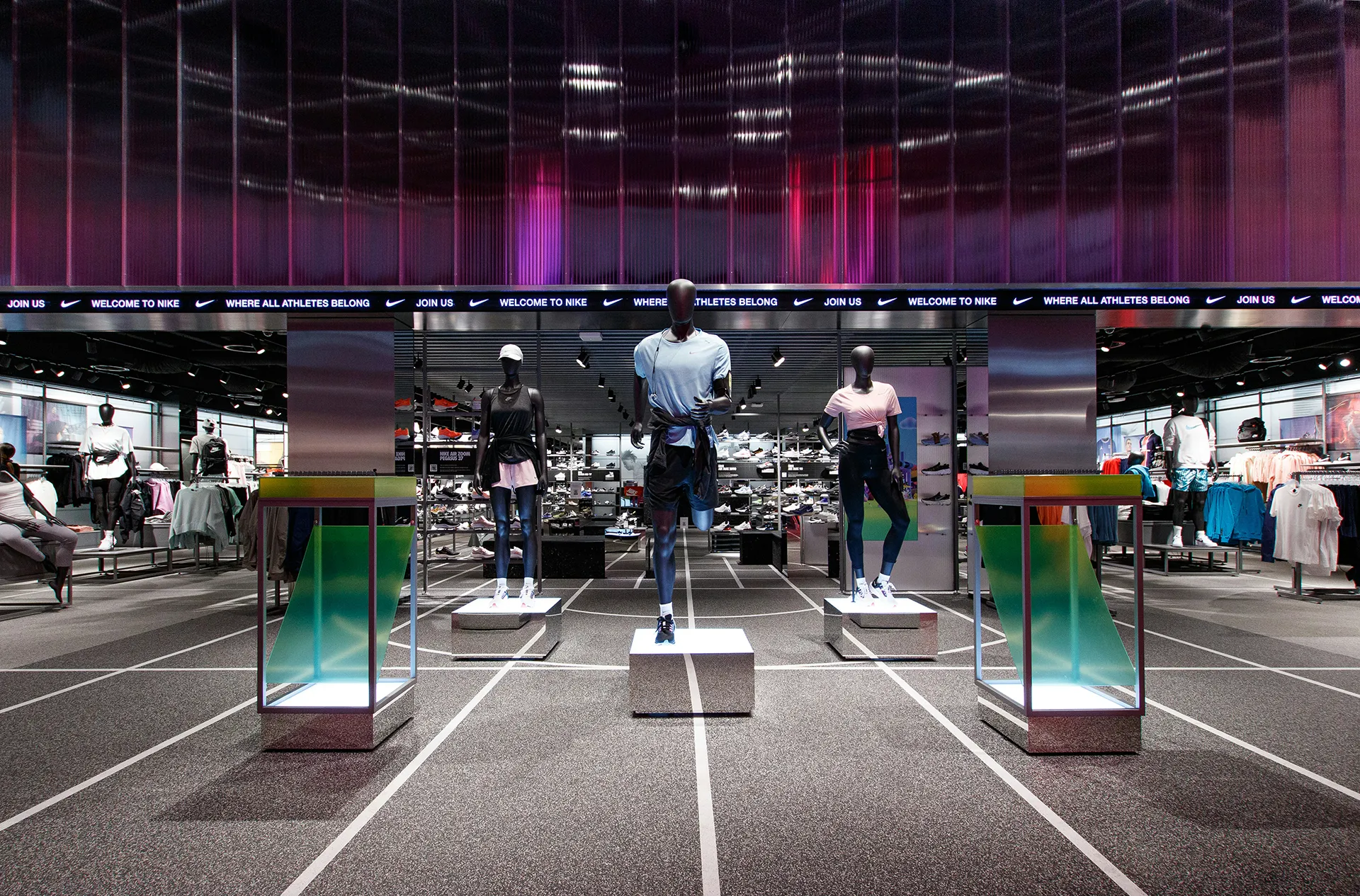
Fashion ERP and Apparel21
For brands in Australian fashion retail, there’s a good chance they’re running on Apparel21 (AP21) due to its mature, deeply functional ERP with strong retail-specific capabilities, but it’s also not plug-and-play.
We’ve seen firsthand how Apparel21 can support sophisticated omnichannel operations if it’s integrated correctly. From inventory segmentation by channel to click-and-collect enablement, the results depend not on AP21 itself, but on the quality of its integration with the digital stack.
Middleware platforms or custom APIs can be used to link AP21 to headless storefronts, PIMs, OMS platforms and RMA tools. The nuances (such as promotion syncing, partial fulfilment logic, and refund handling) require ERP-specific knowledge and a strong grasp of automation to ensure handoffs between systems occur without delay or error.
Avoiding the Headless Tax
Going headless can introduce a hidden tax: more systems to integrate, more APIs to monitor, more potential failure points.
That tax is only worth paying if:
- There is a clear business case (e.g. need to support multiple storefronts, faster frontend iterations, or custom CX use cases)
- A mature back-end stack exists that can keep up with real-time demands
- The integration architecture and resourcing to handle the complexity also exist
The ROI of Strong ERP Integration
When done right, ecommerce integration isn’t just about avoiding problems. It’s a performance multiplier:
- Faster time to fulfil: clean order flow to ERP/WMS means faster pick/pack/ship
- Fewer support tickets: customers see real-time status and stock accuracy
- Omnichannel enablement: ship-from-store, endless aisle, and unified returns all require integrated systems
- Better data governance: one source of truth for SKUs, customers, pricing, promotions
- Agility: launch a new brand, region or storefront without touching the ERP
This is why leading retailers treat integration not as a one-off project, but as a permanent layer in an architecture that is built to scale and evolve with the technology they depend on.
When to Bring in an Integration Agency
Even with strong internal developers, integration (especially with legacy ERPs) requires a different skillset. An experienced integration agency brings:
- Deep ERP and middleware expertise
- Knowledge of what breaks (and how to avoid it)
- Scalable, testable architecture patterns
- Monitoring, error handling and rollback logic
- Stakeholder alignment across IT and ops
Whether working with Apparel21, SAP, Microsoft Dynamics, Pronto or similar systems, rather than reinvent the wheel, choosing a partner who’s done it before will pay dividends over the long term.
We’ve stepped in many times to fix or replace brittle integrations that weren’t designed for scale. Often, the difference comes down to planning: clean data models, clear contracts, resilient retries, and robust monitoring. These aren’t glamorous, but they’re what make systems work reliably and allow maintenance to be efficient.
Final Thoughts: Start With the Backbone
Too often, headless commerce conversations focus on CMSs, React frameworks, or digital experience platforms. But for a CTO, the priority is the operational backbone.
A seamless ecommerce experience isn’t delivered by frontend code. It’s delivered by the data that flows between ERP, WMS, OMS, CRM, and storefront in real time, without errors, lag, or manual intervention.
If you’re planning a headless build, or already have one that feels fragile, it’s time to ask the hard questions. Start from the back-end and get the communication between systems right. Integrate inventory management software effectively into the existing stack and build workflows that empower teams to adapt to a changing market.
Because headless commerce success doesn’t work unless backend integrations do first, that means building ecommerce around reliable, intelligent integration. That’s the foundation for true customer experience and innovation across every channel, device, and point of sale.
About Fontis
Fontis is an engineering-first ecommerce consultancy trusted by CTOs to architect and implement complex system integrations that scale. Our team of 25 senior engineers specialises in backend commerce infrastructure: connecting ERP, OMS, WMS, PIM, and ecommerce platforms into cohesive systems that power high-volume retail. We’ve delivered high-reliability integration solutions for fashion, lifestyle and multi-site retailers using platforms like Apparel21, Shopify Plus, BigCommerce, and composable front ends. When operational accuracy, performance, and long-term maintainability matter, brands come to Fontis to build the backbone they can trust.
Frequently Asked Questions
What is ERP integration in ecommerce?
ERP integration in ecommerce refers to the process of connecting your ecommerce platform with your enterprise resource planning (ERP) system. It enables seamless data exchange, such as inventory levels, orders, pricing, and customer information, between the storefront and operational back-end systems. A strong integration allows real-time communication between ecommerce and back-office workflows, reducing manual processes and improving fulfilment accuracy.
Why is ERP integration critical in a headless commerce setup?
In headless commerce, the frontend is decoupled from the back end, requiring all systems to communicate via APIs or middleware. Without solid ERP integration, the ecommerce experience breaks down: orders aren’t fulfilled, inventory is inaccurate, and promotions may not reflect correctly. ERP becomes the operational engine behind a seamless customer experience.
What are the common pitfalls of poor ecommerce integration?
Common issues include overselling due to inaccurate stock visibility, delays in order fulfilment, mismatched pricing, and fragmented customer data. These often stem from outdated point-to-point integrations or batch-driven systems that can’t meet the real-time demands of modern ecommerce platforms.
Can I use a platform-as-a-service (PaaS) or an iPaaS to simplify integration?
Yes. Many retailers now use platform-as-a-service (PaaS) or integration platform-as-a-service (iPaaS) tools to serve as middleware between systems. These platforms help standardise API connections, reduce custom development, and support automation, monitoring, and scalability, especially in environments with multiple endpoints like WMS, OMS, CRM, and point of sale systems.
How does inventory management software fit into ERP integration?
Inventory management software is often a module within an ERP or a connected WMS. For ecommerce integration to work, a storefront needs access to real-time inventory data across warehouses, stores, or fulfilment partners. ERP integration ensures that every sales channel reflects true inventory availability, enabling better stock control and fewer customer service issues.
What’s the difference between point-to-point and hub-based integration?
Point-to-point integration connects systems directly, one by one. While fast to implement, it becomes fragile and hard to manage at scale. Hub-based integration uses middleware or an iPaaS to centralise data flows, reducing redundancy and improving monitoring, reliability, and speed. Most enterprise-grade ecommerce integrations favour a hub approach.
When should I consider using an integration agency?
Consider an integration agency when:
You’re working with legacy or niche ERP systems (e.g. Apparel21, Pronto)
You lack in-house experience with ecommerce integration patterns
Your team needs help designing scalable, testable, and monitored workflows
You’re planning a digital transformation initiative that includes headless architecture or omnichannel enablement
Your business has a tight or no margin for error and needs to leverage experience from a team that has done it before
A qualified agency brings the experience, frameworks, and technical depth needed to ensure your integration supports business growth rather than hindering it.
What role does automation play in ERP and ecommerce integration?
Automation ensures that workflows, like order processing, inventory updates, or customer data syncing, happen without manual intervention. This reduces errors, speeds up operations, and improves customer experience. ERP integration should include automated processes to sync data across all systems in near-real-time.
How can I future-proof my ecommerce integration?
To future-proof your integration:
Use modular architecture with loosely coupled services
Choose middleware that supports API-first and event-driven design
Document your workflows and data contracts
Build for scale, anticipate new channels, regions, or systems
Monitor, log, and alert on all integration flows
This ensures you can adapt to market changes, add new technologies, or pivot quickly during digital transformation efforts.